November has been an especially energising month at IndiaBioscience, marked by a series of events that strengthened community networks, expanded mentorship pathways, and spotlighted diverse voices across Indian science. As the year draws to a close, our team has been engaging with young investigators, postdoctoral fellows, faculty members, students, science communicators, and institutional leaders through a range of engagements.
We also published new stories, interviews, and columns that highlight resilience, scientific curiosity, and emerging research. We also co-organised a webinar with our partner EMBO on fellowships and scientific exchange grants this month to support early-career researchers seeking global opportunities.
Here’s more on what we have been up to over the past month and what’s coming next.
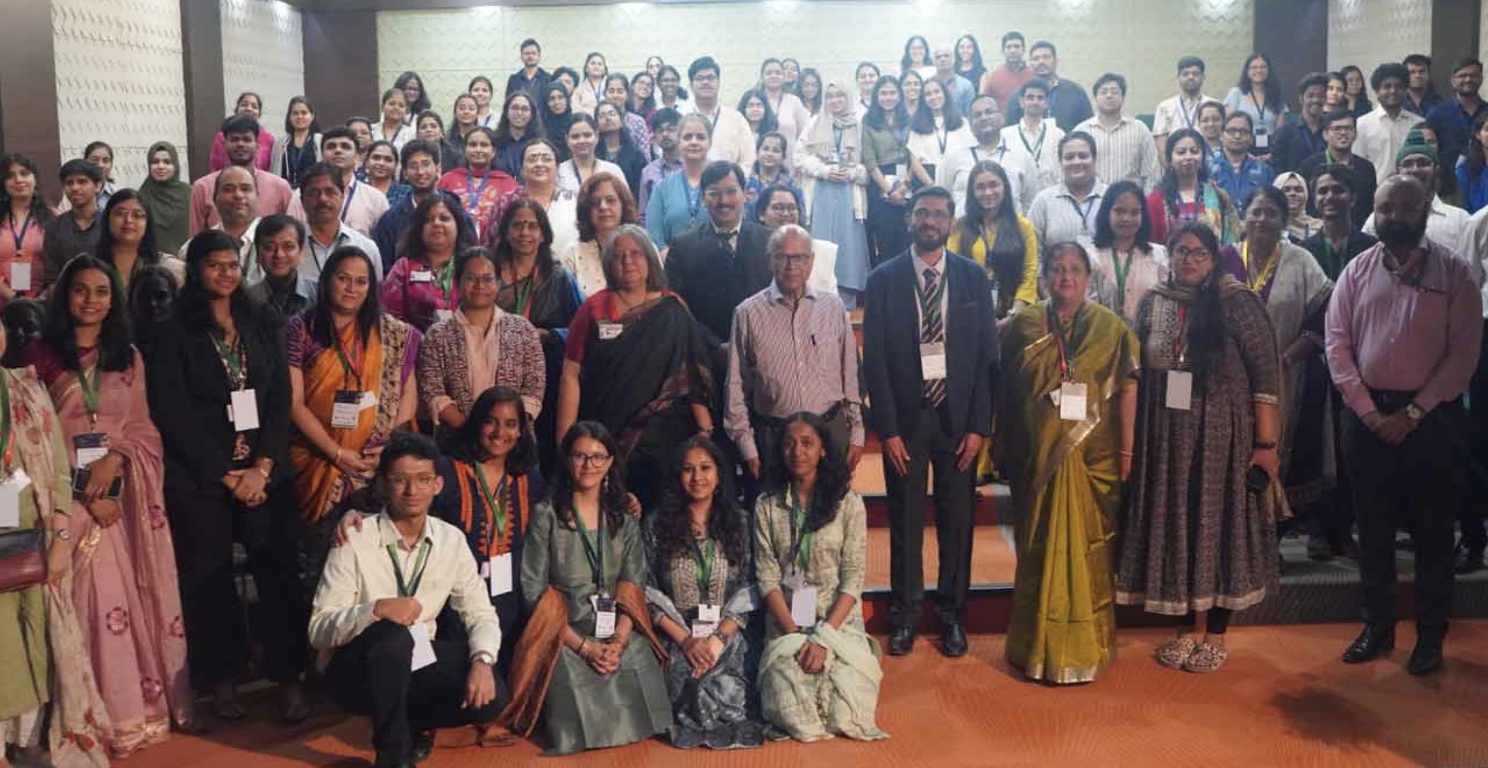
The Regional Young Investigators’ Meeting (RYIM) Mumbai 2025 was held on 4 and 5 December 2025 at S.V.K.M.’s Mithibai College of Arts, Chauhan Institute of Science and Amrutben Jivanlal College of Commerce and Economics (Empowered Autonomous), in collaboration with Kishinchand Chellaram College, HSNC University, and Gujarat Biotechnology University.
The meeting brought together about 100 young investigators, clinicians, faculty, industry experts, and entrepreneurs from institutions in Goa, Gujarat, and Maharashtra for keynote talks, panel discussions, and interactive networking sessions. A Crafting Your Career workshop on 5 December, conducted by our colleague, Siuli Mitra. The session equipped students and early-career researchers with practical frameworks to explore career pathways in science through interactive and reflective exercises.
Look out for the full report on the meeting on our website soon.
Picture Credit: RYIM Mumbai Team
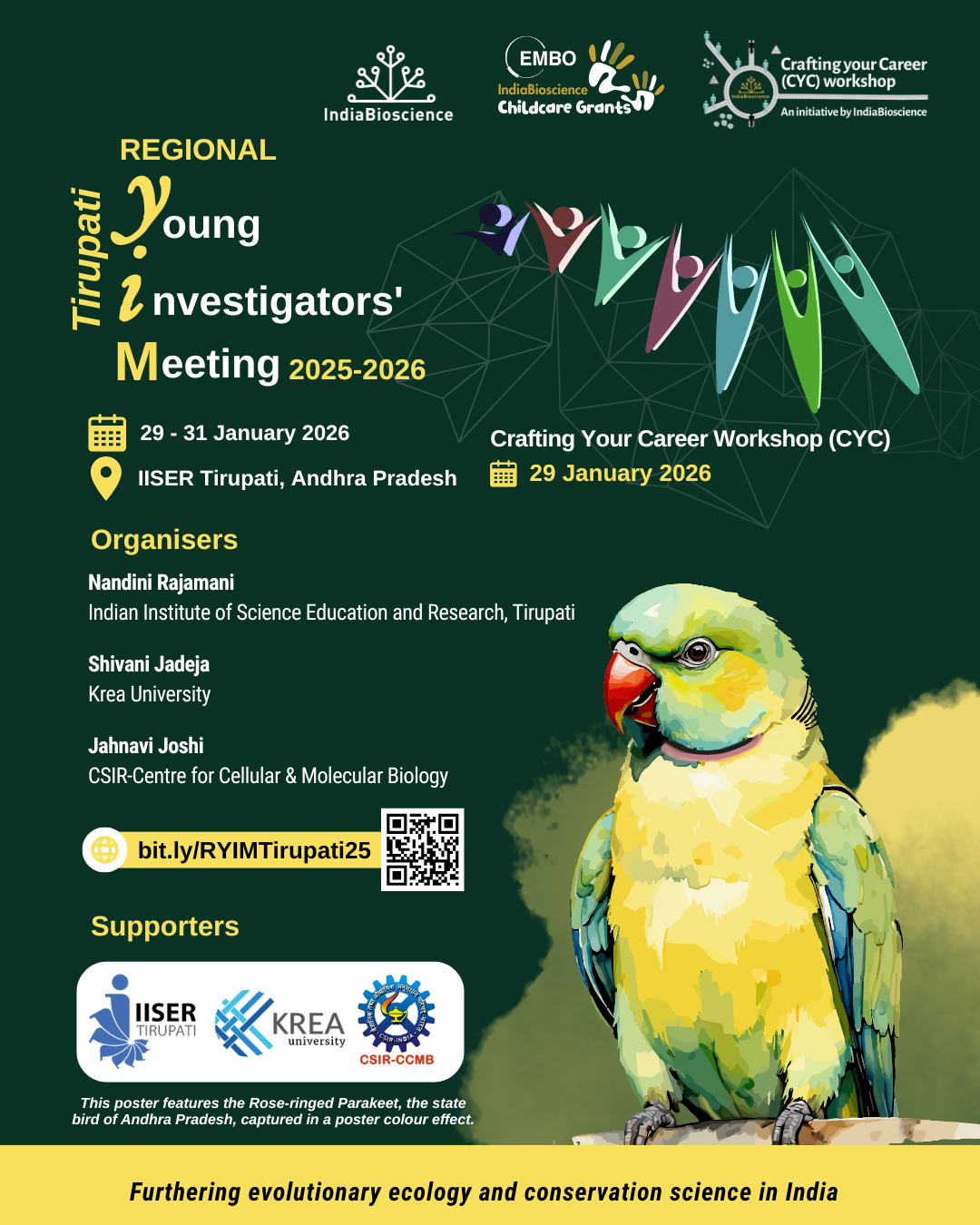
Apply for the Regional Young Investigator Meeting (RYIM) at Tirupati
If you intended to attend an RYIM this year, and missed the earlier ones at Bhilai and Mumbai, apply for RYIM at IISER Tirupati.
The Regional Young Investigators’ Meeting (RYIM) Tirupati 2025 - 2026 has been rescheduled to 29–31 January 2026. In collaboration with CSIR-CCMB, Hyderabad, and Krea University, Sricity and with the theme “Furthering evolutionary ecology and conservation science”, the meeting will bring together young investigators, mentors, and stakeholders for talks, discussions, and networking. The event will also feature a Crafting Your Career workshop on 29 January for PhD students and postdoctoral fellows.
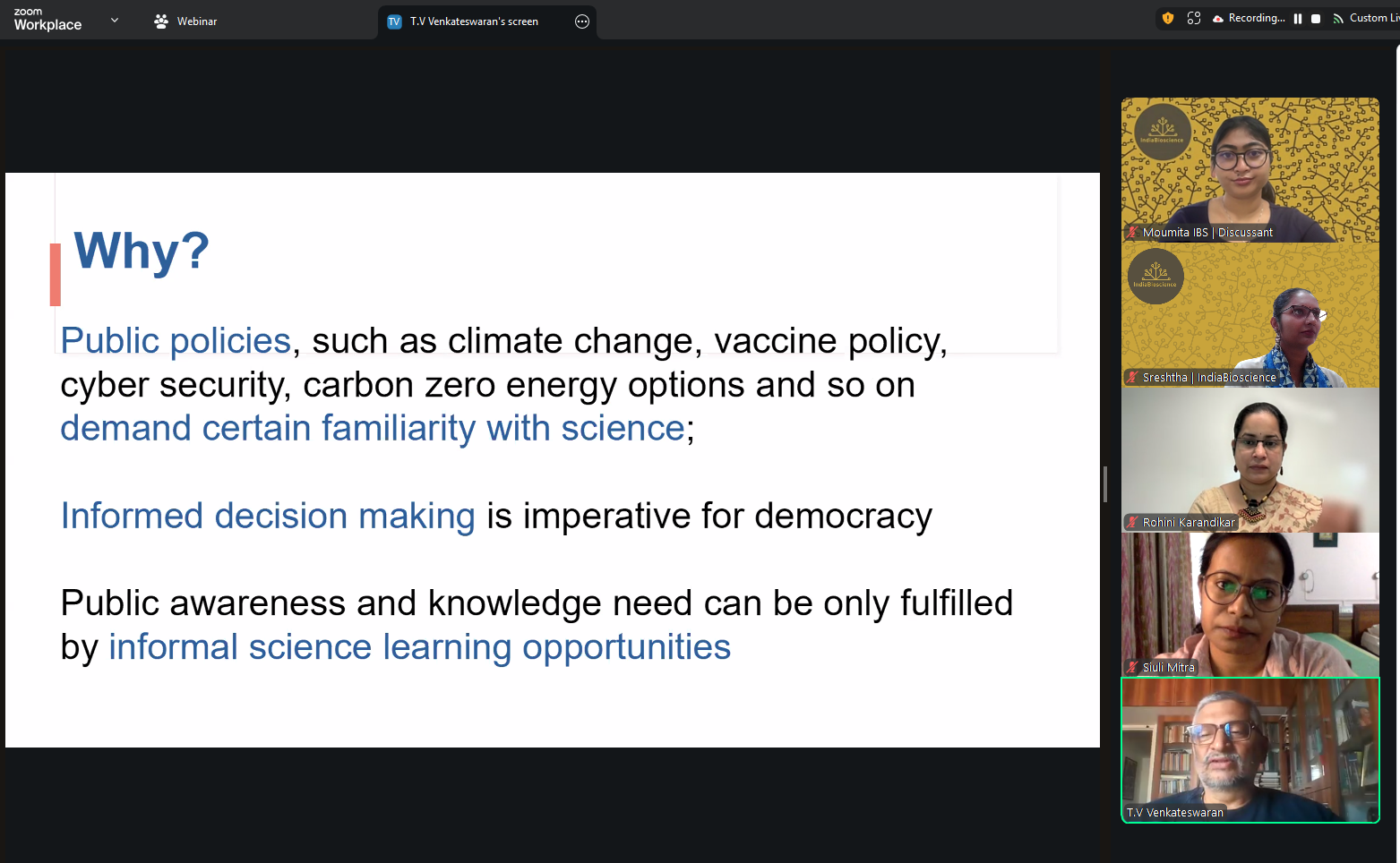
The IBS team recently brought together science communication practitioners from across the country for a roundtable on “Communicating Science in Indian Languages”. Co-designed with science communicator and educator Rohini Karandikar, who also moderated the discussion, this was the second event in the series.
Held on 12 November 2025, the session fostered a community-driven, informal dialogue on the challenges and exciting opportunities in communicating science beyond English. With a keynote talk by TV Venkateswaran, Visiting Professor, IISER Mohali, the event served as a platform to reflect on ongoing initiatives, explore strategies for broader impact, and identify pathways to strengthen capacity and collaboration in this space.
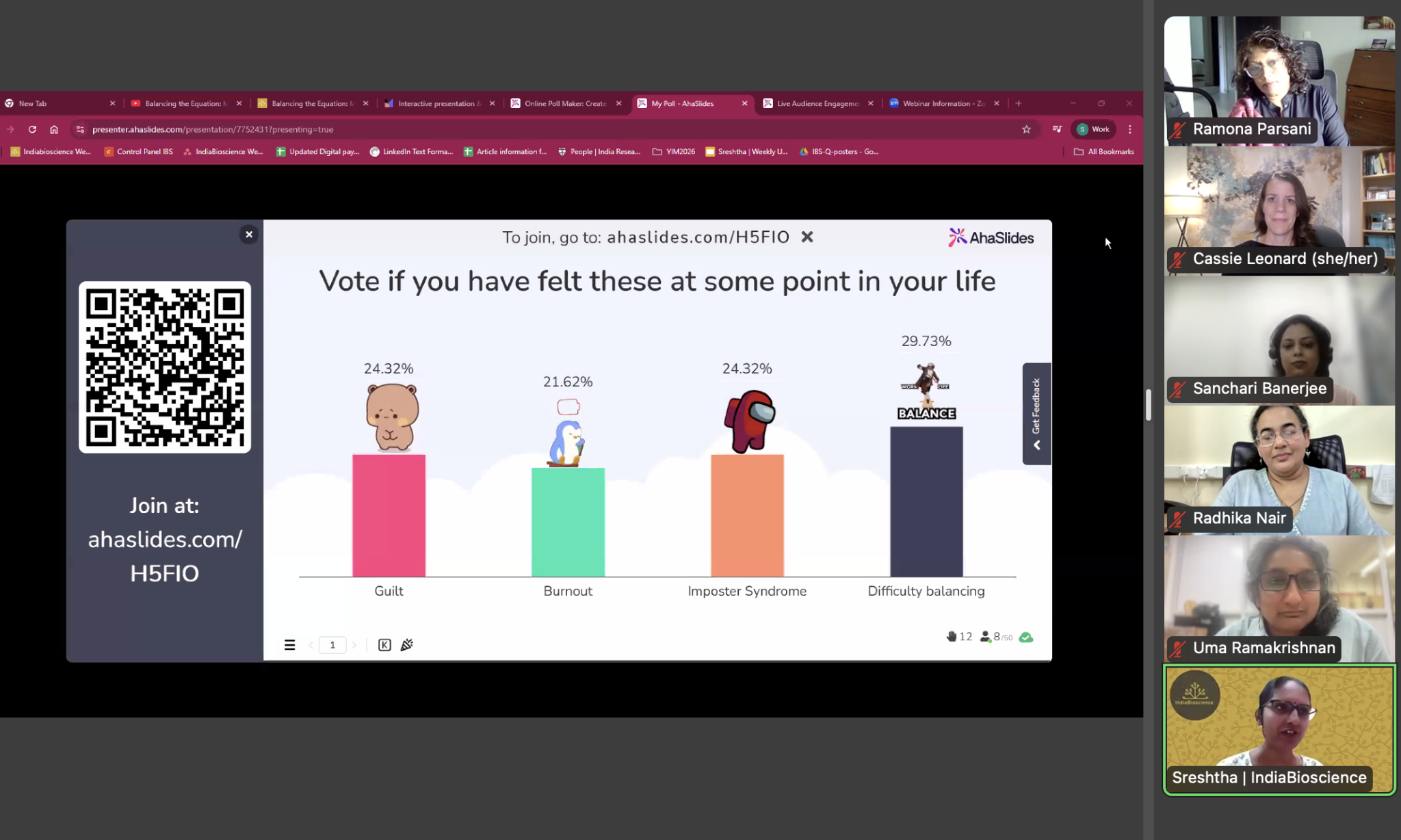
We also recently hosted a community-driven online panel discussion on “Balancing the Equation: Motherhood, Career Shifts and Success in STEMM”, with motherhood, caregiving, burnout, and mental health as key threads. Co-designed with Sanchari Banerjee from Sai Life Sciences, Hyderabad, the session brought together early- to mid-career women in academia and industry who are navigating caregiving responsibilities. It also offered valuable insights for institutional leaders and administrators working to strengthen supportive, gender-responsive policies. The discussion took place online on 21 November 2025.
The panel featured,
• Cassie Leonard, ELMM Coaching, Seattle, Washington, USA
• Radhika Nair, Centre for Human Genetics, Bengaluru
• Ramona Parsani, Ignite Life Science Foundation
• Uma Ramakrishnan, National Centre for Biological Sciences – TIFR
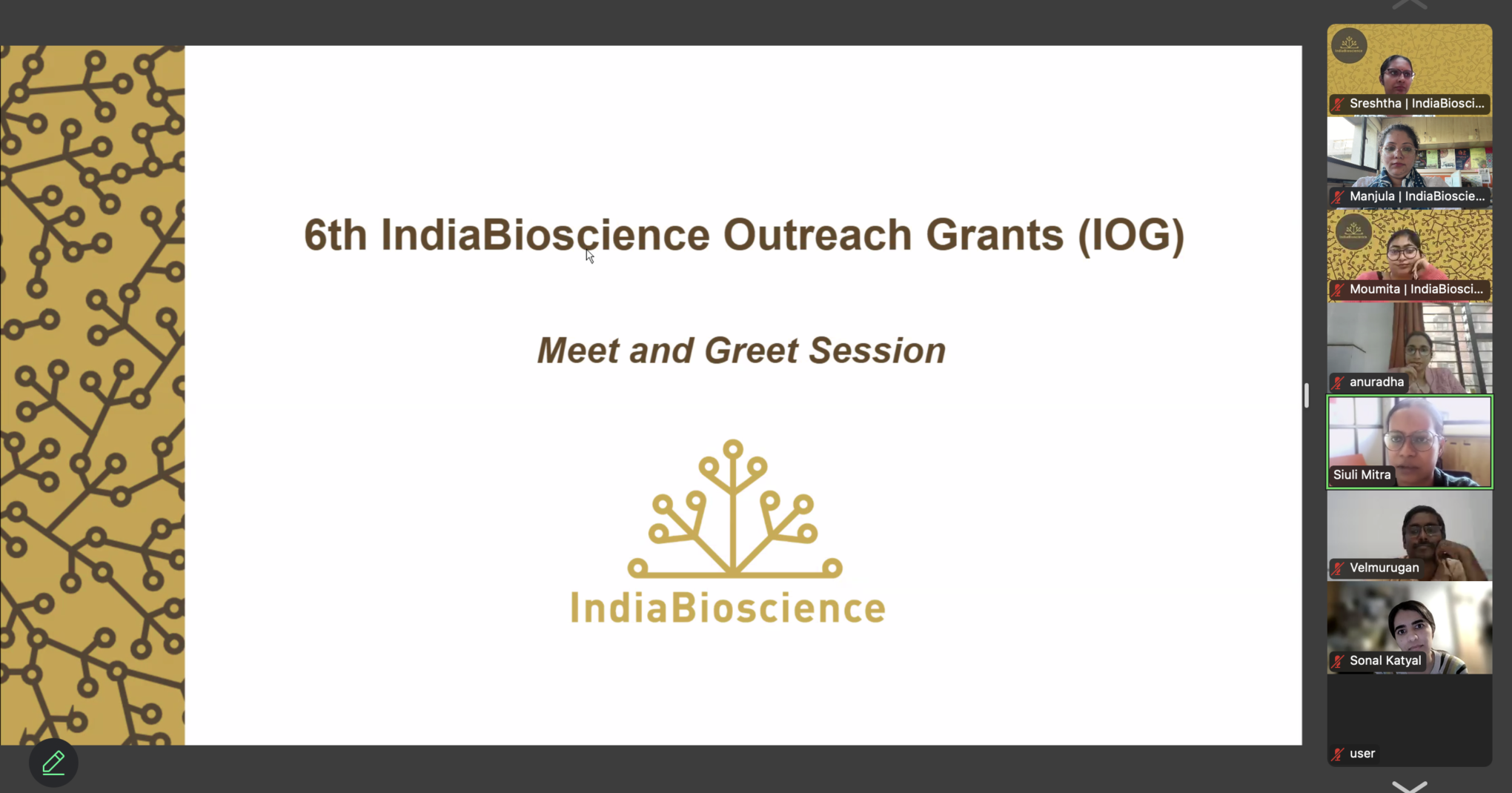
The 6th IndiaBioscience Outreach Grants (IOG) meet & greet session was held on 21 November 2025, bringing together current and past awardees and collaborators for an informal yet enriching networking session. The gathering encouraged peer learning and the exchange of outreach experiences, challenges, and achievements. We were also joined by science communication practitioner Sonal Katyal, who shared valuable insights on strengthening outreach initiatives and assessing their impact. Sonal guided participants in unpacking what “impact” means in the context of science outreach and introduced effective ways to evaluate their work at different stages to ensure their projects meet their intended objectives. She also shared an impact evaluation worksheet for participants to use in their own work.
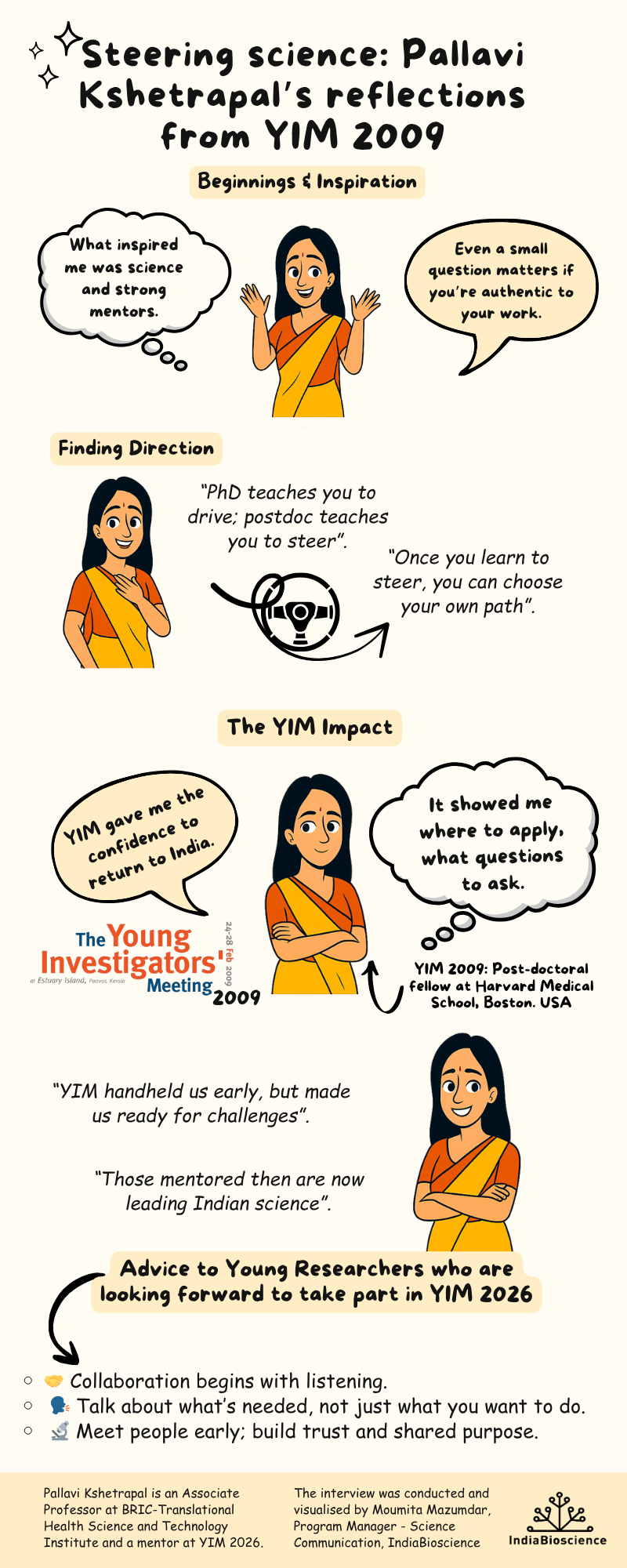
In the lead-up to YIM 2026, we spoke with YIM 2026 mentors who reflected on their YIM experience. Molecular geneticist Pallavi Kshetrapal, Associate Professor at BRIC-THSTI, traces her scientific journey from curiosity-driven beginnings to mentoring and leadership. Reflecting on the inaugural Young Investigators’ Meeting (YIM) 2009, she highlights how mentorship, collaboration, and authentic science shaped her career and continue to strengthen India’s research ecosystem.
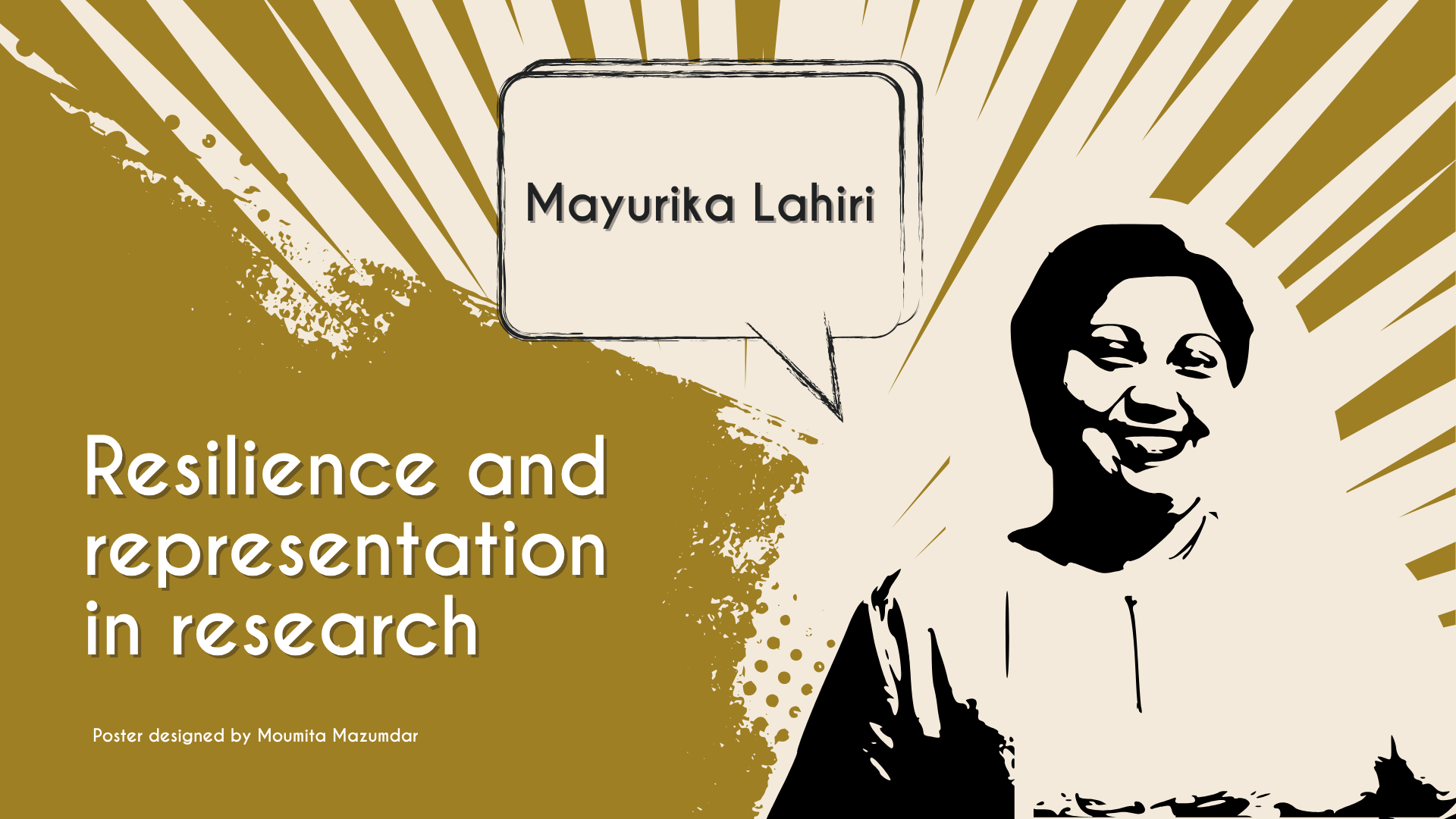
In this interview series, we are documenting personal accounts from women in Indian science to understand the individual pathways they have taken to navigate careers in India. During a conversation between Moumita from the IndiaBioscience team and Mayurika Lahiri, Associate Professor of Biology at IISER Pune, Mayurika reflected on geographic transitions, systemic challenges for women in science, and finding ‘her tribe’. We saw a career path marked by adaptability and determination to speak up for herself and her community. From training in the UK and the USA to establishing her research lab in Pune, Mayurika’s story underscores that considerable personal strength is required to navigate systemic and cultural challenges.
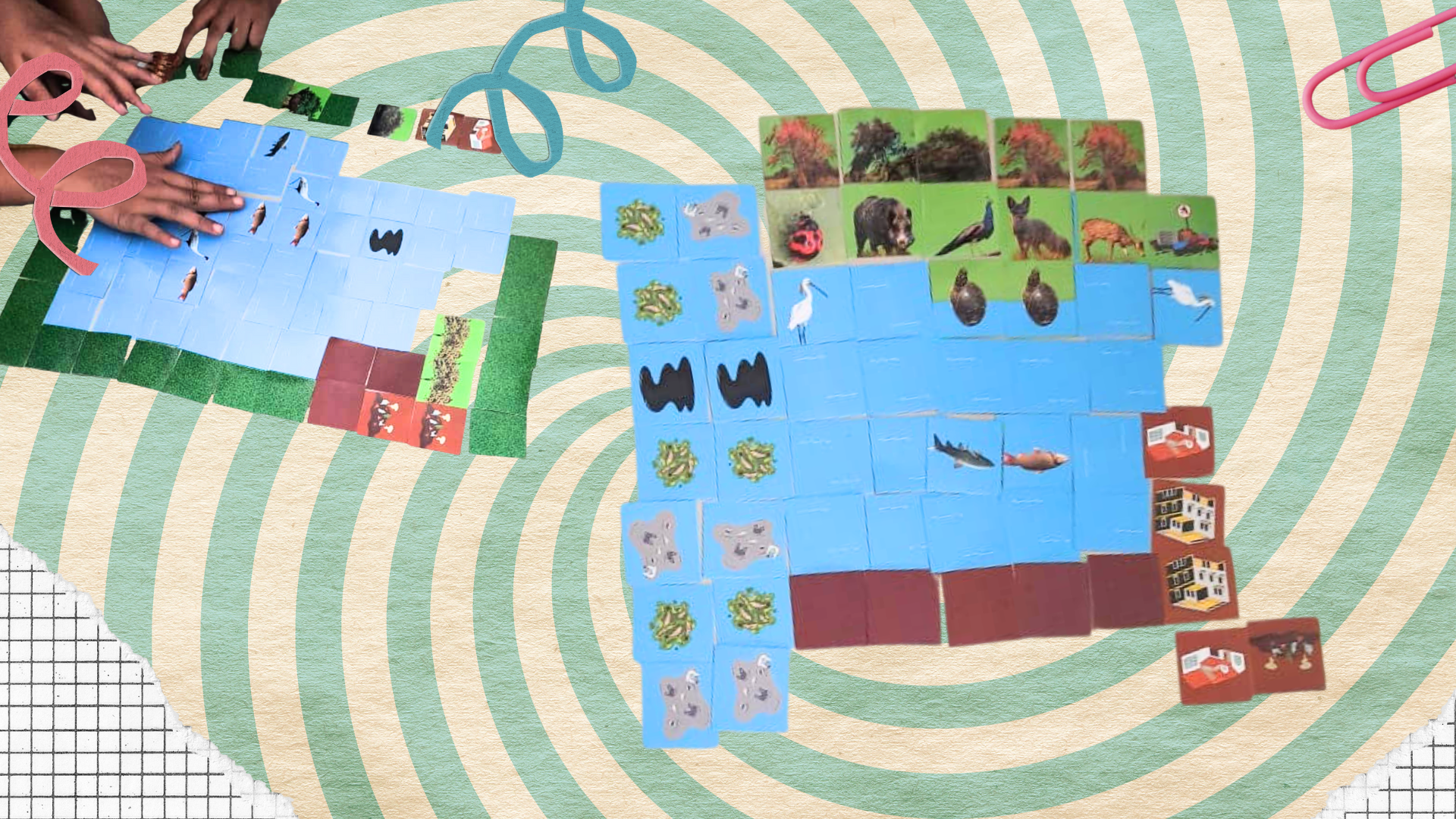
As per the fourth goal of the United Nations Sustainable Development Goals (SDGs) 2023, providing quality education for all by 2030 is key to achieving equitable education. This becomes especially relevant after a global pandemic, during which 94% of the world’s student population was affected due to institutional closures. Teachers such as Ananya Mukherjee (one of the authors, along with Arvind Kumar Sewda & Anu Kumari) had to find emergency ways to handle the pandemic by trying different remote learning strategies. This had a disproportionate effect on students from marginalised communities in low- and middle-income countries. With this context in mind, Ananya and her colleagues developed biodiversity-themed board games that shine a light on the local biota of Bhopal, which is also an IndiaBioscience Outreach Awarded project. Read more about this here.
Students exploring local biodiversity through the game. Photo by Ananya Mukherjee | Designed by Moumita Mazumdar
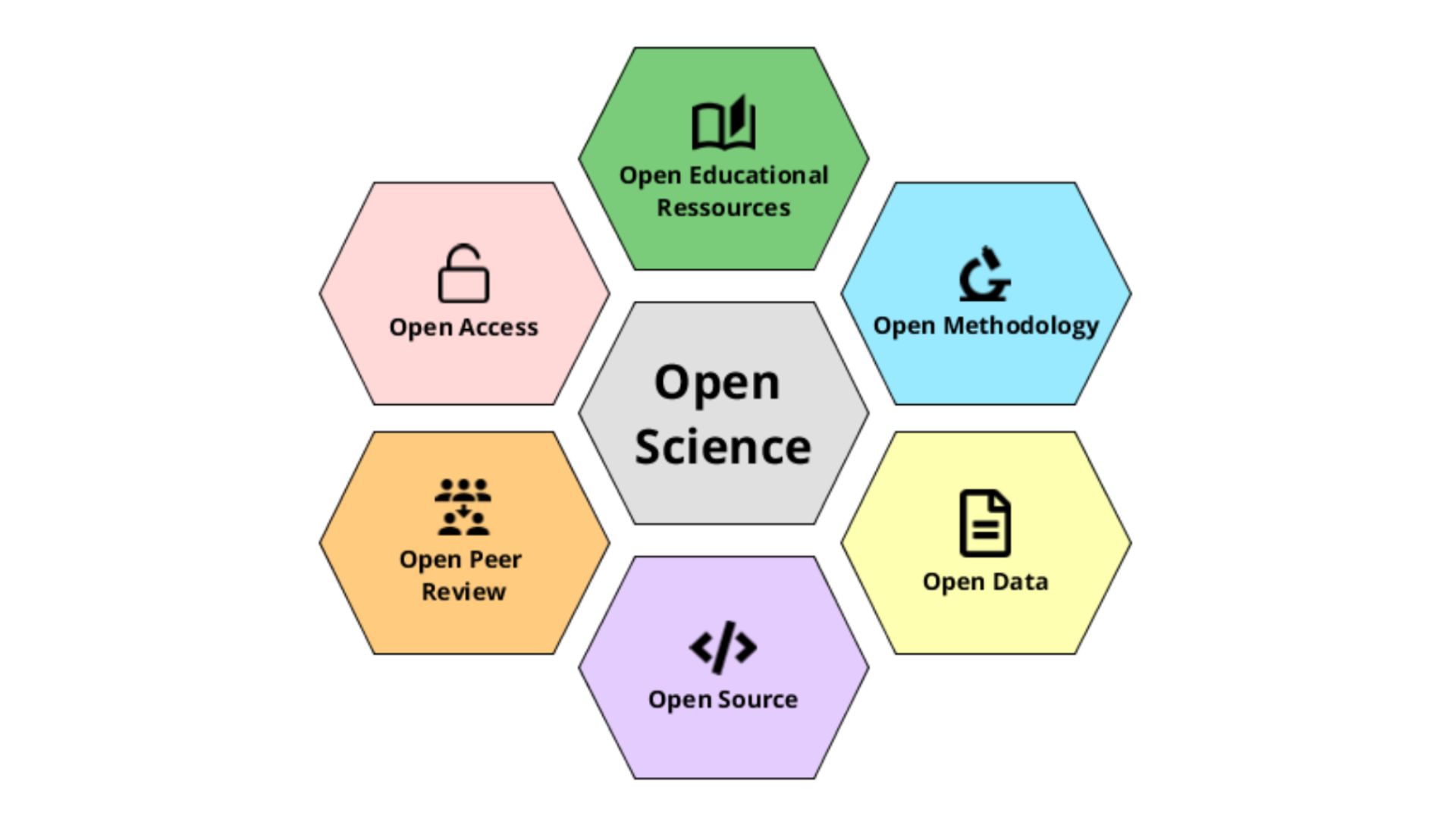
The recent move to publish all peer-reviewed manuscripts as “reviewed preprints” has sparked renewed discussion on transparency and trust in scientific publishing. In this article, Amrapali Datta discusses how open peer review challenges the traditional reliance on Impact Factor metrics and advocates for a culture of accountability, dialogue, and equitable access in science.
“Open Science Pillars” - diagram illustrating the core elements of the open science movement. (Image by Geyslein, via Wikimedia Commons, licensed under CC BY-SA 4.0.)
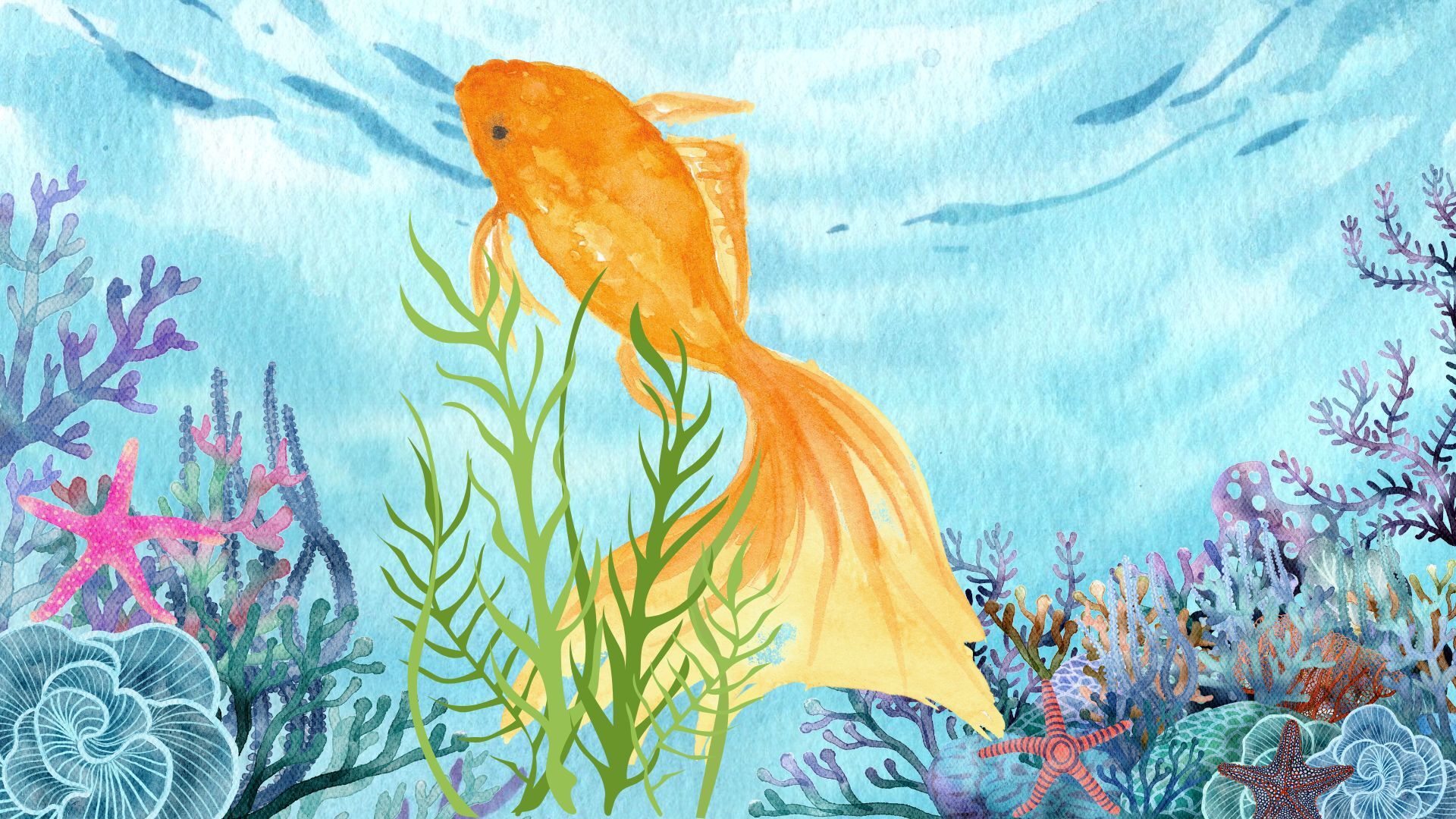
In this article, Gopi Krishnan unpacks how some of our most beloved pets, from goldfish to popular “tank-cleaner” catfish, can become surprisingly destructive when released into local water bodies. Blending science with personal reflection, the article highlights how accidental or intentional releases of pets fuel biological invasions, threatening biodiversity and local livelihoods. It also offers practical steps we can take as responsible pet owners to prevent ecological harm.
Graphic by Moumita Mazumdar, designed using Canva elements
Under our partnership with CSIR-CCMB to publish pieces by young science writers, we have been sharing articles originally published on SciTales by CCMB.
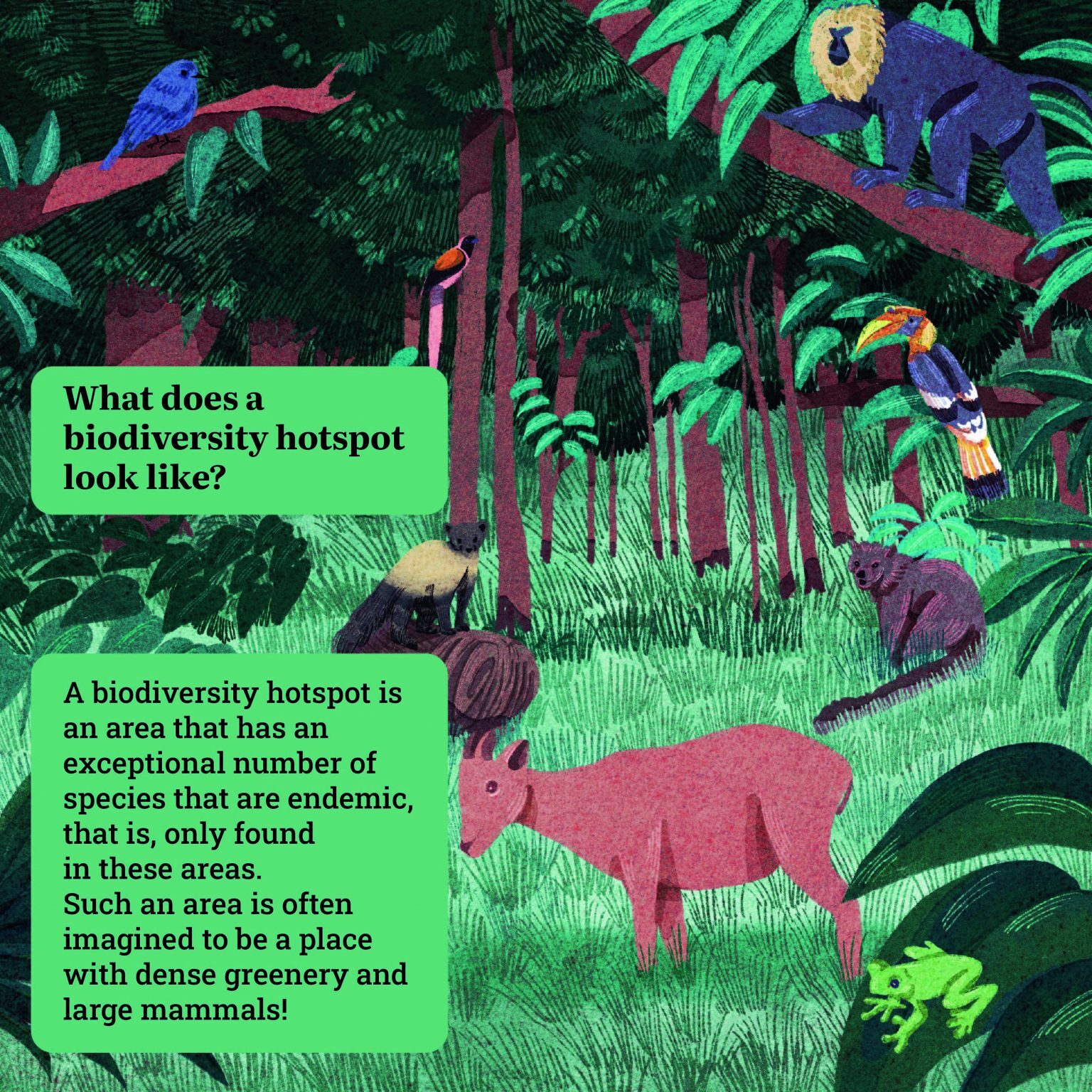
When we think of biodiversity hotspots, most of us picture dense green forests — but the reality is far more diverse. Biodiverse regions can be dry, rocky, or visually sparse, and many of these unexpected landscapes often slip under the radar in conservation efforts. This short visual explainer challenges our assumptions and reminds us that biodiversity thrives in many forms.
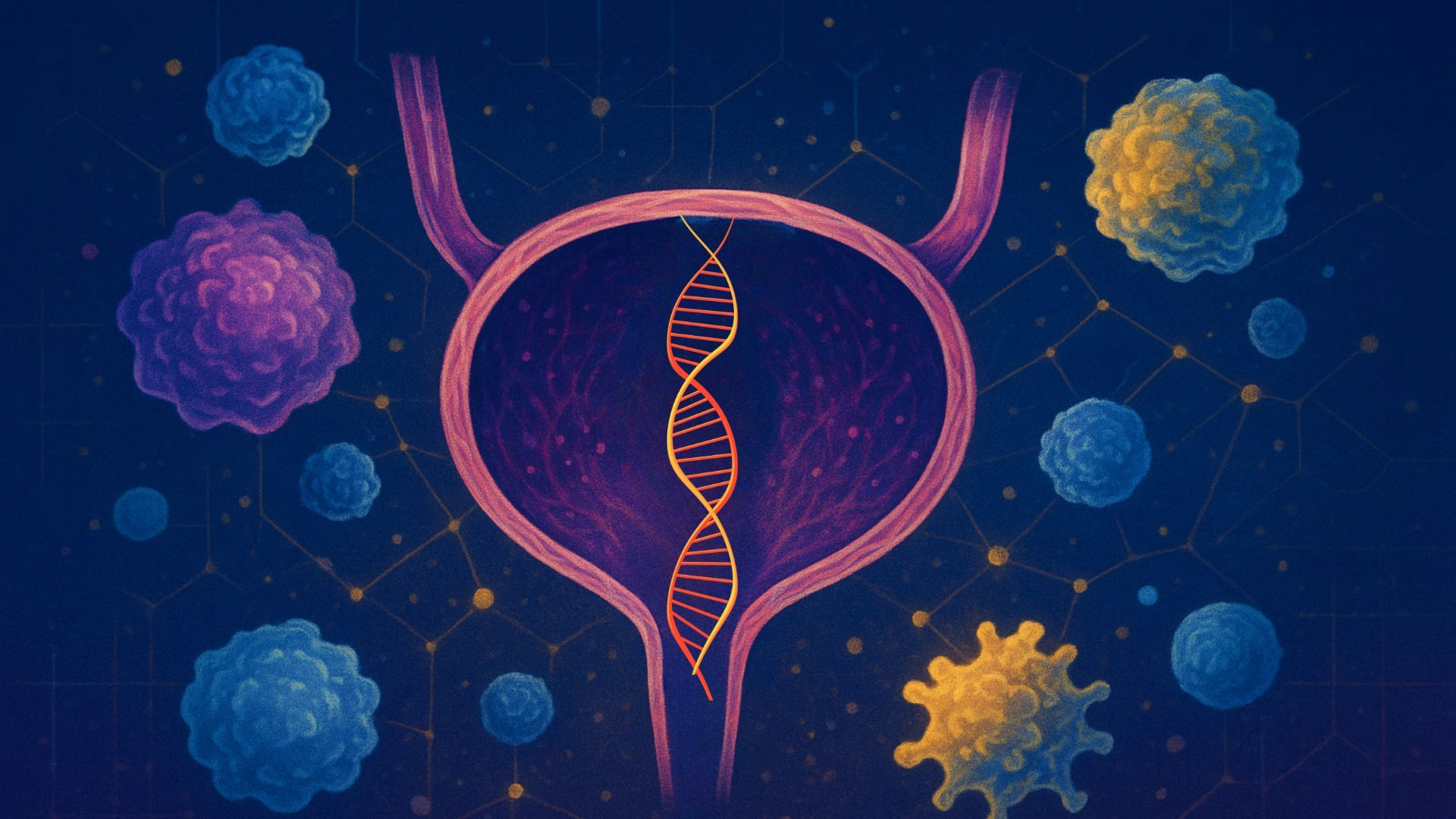
Understanding why cancer therapies work for some patients but fail for others remains one of modern medicine’s greatest puzzles. As the field of oncology turns increasingly towards personalised medicine, uncovering the molecular and immune signatures that shape treatment response has become crucial. In this context, a new study led by Venugopalareddy Mekala offers fresh insights into how changes in epigenetic regulator genes (epiRGs) influence immune behaviour in bladder cancer.
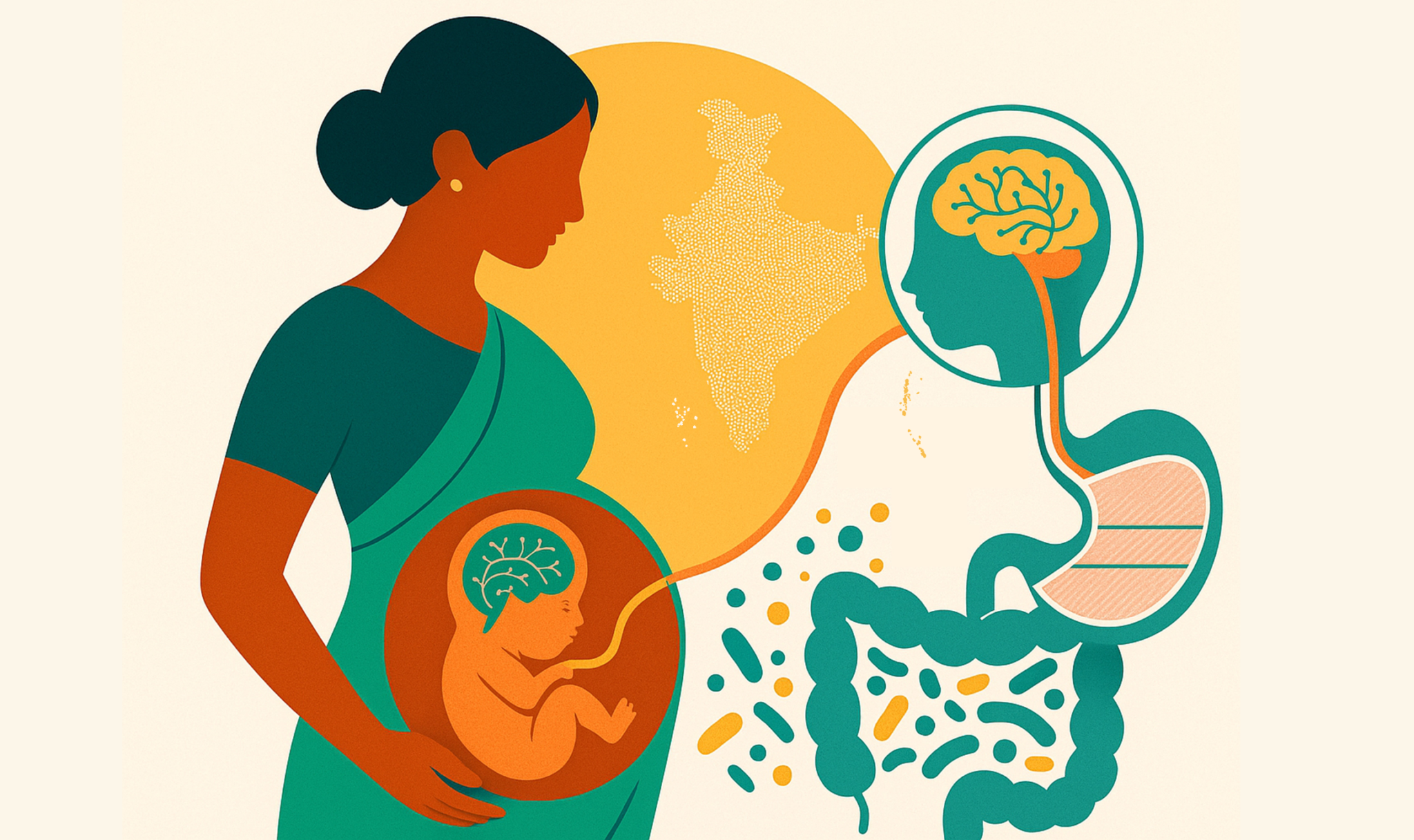
In this article, Siddharth Singh explores how a mother’s gut microbes may influence fetal brain development through molecular signals, long before birth. Drawing from emerging research and India’s unique dietary landscape, the piece highlights why high-fibre, fermented foods and regional microbiome diversity could offer powerful opportunities for understanding child neurodevelopment.
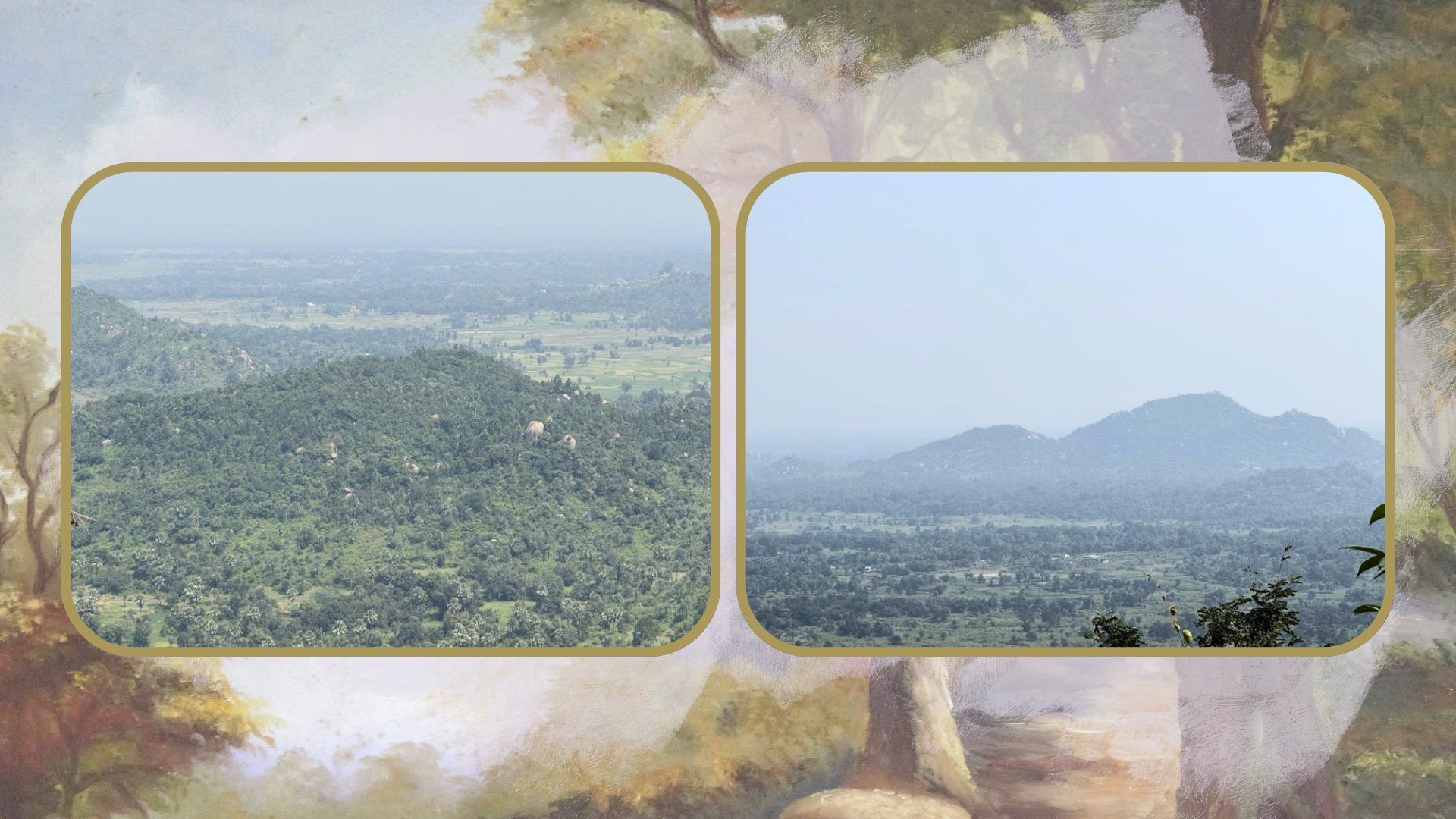
In this article on the Santhal Pargana uplands, Kulesh Bhandari, an independent biodiversity researcher from Jharkhand, describes walking through mist-lit Sal forests, attentive to the landscape’s quiet rhythms. His journey across Kathi Kund, Barapaghar, Danro, and Sundar Pahari blends ecological mapping with tribal knowledge, revealing an increasingly fragile yet enduring relationship between communities and their living forests.
Tribal upland view of Santhal Pargana — mosaic of forest, hill, and cultivated fields near Thengimo Hills and Rajapathar | Picture Credit: Kulesh Bhandari | Collage by Moumita Mazumdar
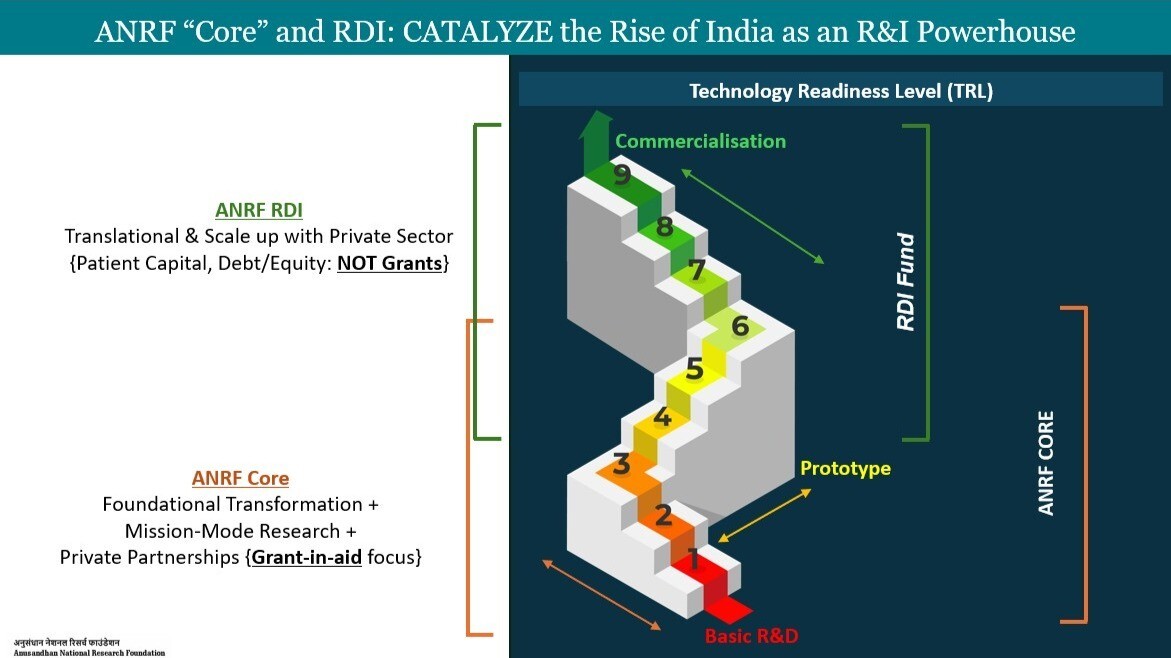
In a new LinkedIn post, the CEO of the Anusandhan National Research Foundation (ANRF), Shivkumar Kalyanaraman, outlined how the foundation is evolving into India’s apex body for research, development, and innovation. Alongside strengthening core research grants, ANRF is preparing to operationalise ₹1 lakh crore Research, Development and Innovation (RDI) Fund, designed to channel patient capital into deep-tech, high-impact projects. Together with ANRF’s grants, RDI scheme aims to bridge the gap between academic research and market-ready innovation, signalling a major shift in India’s science and innovation ecosystem. Read this piece cross-posted on our website with permission.
Source: LinkedIn post by Shivkumar Kalyanaraman, CEO, ANRF
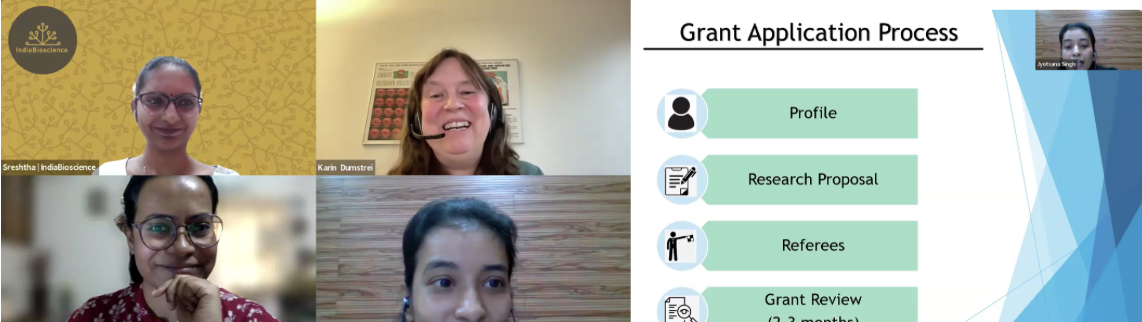
This month, IndiaBioscience partnered with the European Molecular Biology Organization (EMBO) to host an informational webinar on EMBO Fellowships and Scientific Exchange Grants. Held on 8 December 2025, the session aimed to equip early-career researchers in India with insights into international funding avenues and application strategies.
The webinar featured Karin Dumstrei (Programme Head, EMBO), who introduced EMBO’s postdoctoral fellowships and short-term Scientific Exchange Grants, outlining their eligibility criteria, selection processes, and upcoming calls. Jyotsana Singh (BRIC-NCCS) joined to share her experience as a recipient of the Scientific Exchange Grant, offering practical guidance to prospective applicants.
To know more about the upcoming EMBO webinars and courses on writing fellowship applications, peer review and manuscript writing in scientific publications amongst others, do check our website and social media channels for the announcements.
Are you following our social media campaign #ScienceJobsTuesdays to stay updated about jobs, grants and events on X (formerly Twitter), Instagram, Facebook, and LinkedIn? Subscribe to our monthly Jobs and Internships newsletter here if you haven’t already.
IndiaBioscience will continue its journey with you through shared stories, experiences, and opportunities that lie ahead. If you have an inspiring story to share, an insightful article to contribute, or a collaborative event idea, we invite you to reach out to us at hello[at]indiabioscience[dot]org.
Your active engagement contributes immensely to our shared journey.